
The entertainment sector is going digital, and the virtual versions of famous people, commonly known as digital avatars or AI-generated stars, are changing the way people consume content. Such virtual actors are not mere cartoons; they are complex programs that run on artificial intelligence systems, motion capture, and deep learning algorithms and can perform, communicate and involve the audience in a manner never before dreamed of. These virtual characters are transforming the entertainment sector through music, movies, social media and live performances.
The Emergence of Online Famous Personalities.
By means of artificial intelligence, AI-based influencers, digital pop icons, and animated actors, the virtual celebrities are becoming a power in the media. These avatars are also programmed to do more than one activity at a time, to engage fans all over the globe in real-time communication, and have a regulated public image, unlike traditional stars. Enterprises are also spending big to produce hyper realistic avatars capable of singing, dancing, hosting events and even promoting products thus making it an asset to the entertainment industry.
These internet personas fill the void between technology and performance art. They provide innovative creative possibilities to content creators, enabling them to perform a performance that could not have been presented by human actors because of time, physical constraints, or safety issues. An example of this is that virtual singers do not have to tour to release music, and animation actors do not have to grow old or require being physically on the movie set.
Benefits of Virtual Stars in Entertainment.
Uniformity and Adaptability.
Virtual stars are able to have an ideal and stable look and style of performance without the human limitation of fatigue, illness or old age. They may be installed in various projects simultaneously, which gives the enterprises in the field of entertainment the opportunity to become more productive and gain more profit.
Fan Engagement and Interactivity.
AI-powered avatars make interactivity with fans like never before. Audiences can also interact with digital stars immersively through social media, chat interfaces and even live virtual concerts. An example of this would be the ability of fans to select dialogue options in interactive programming or to attend concerts in VR worlds, which will increase engagement and loyalty.
Cost and Producing efficiency.
Initial expenses on virtual celebrities may be high but it saves expenses on the long run in terms of personnel costs such as salaries, travelling, insurance, and logistics at the set. Digitally, performances can also be changed or altered, which, in comparison to a reshoot, is less expensive.
Impact on Music and Film
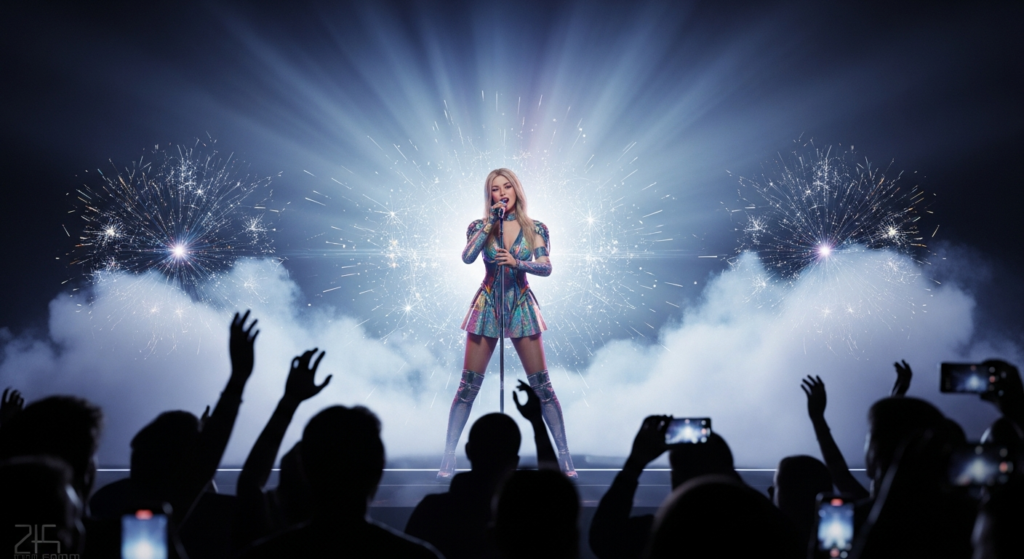
Virtual pop stars are on the rise in the music industry. The artificial intelligence singers can also release songs, go on virtual tours and cooperate with real-life artists without having to logistically plan the events like in real life. Others have already achieved millions of followers, and fanbases compete with the traditional celebrities.
Digital reproductions of celebrities can be used in film and animation to recreate younger incarnations of actors or bring back historical actors on a cameo basis. This technology also creates the opportunity to develop other types of storytelling, like an entirely digital film or an interactive experience where the audience dictates the story.
The Social Media Influence
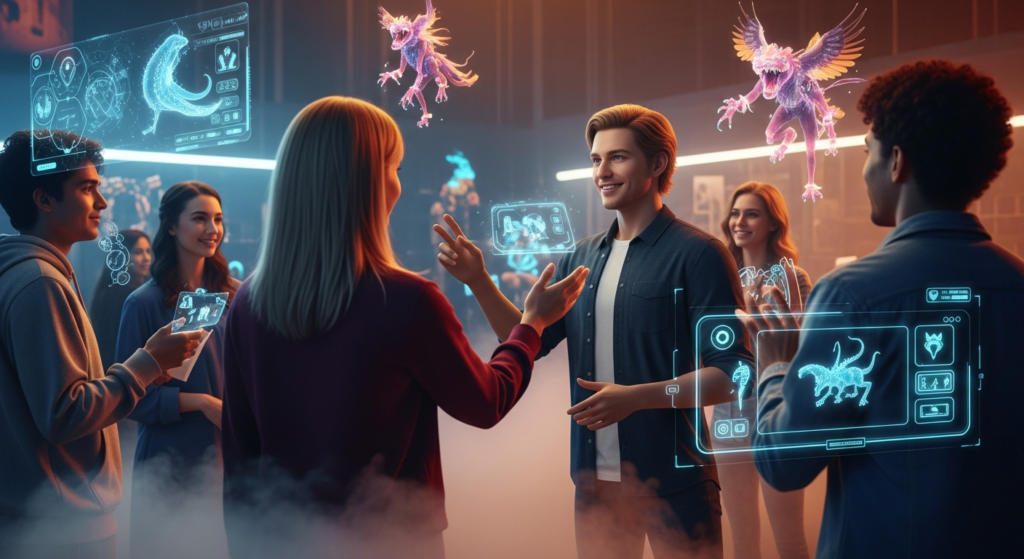
The virtual stars have dominated social media because they create regular content and a direct interaction with the fans. They have the ability to get involved in fads, initiate campaigns, or even promote products crafting entertainment and marketing together in a smooth way. This has created the so-called virtual influencers, who act in the online realm completely but have as much power as human celebrity counterparts.
Difficulties and Moral Interventions.
Even though virtual celebrities have their benefits, they are subject to ethical concerns. These problems are the possible abuse of deepfakes, intellectual property protection and the indistinguishability of reality and digital fiction. It is important to be transparent to improve the awareness of the audience of whom they are dealing with a virtual star, and, possibly, the regulations should be changed to safeguard both creators and consumers.
Furthermore, the emergence of virtual celebrities may affect human actors and musicians and lessen the opportunities in some sectors of the entertainment business. The art of technology versus human craft is still a major issue.
The Future of Entertainment through Virtual stars.
Even further integration of virtual stars in the entertainment field is in store in the future. The development of AI, motion capture and virtual reality will enable such digital actors to be more realistic and emotionally expressive. The fans can communicate with their own personally made avatars within the virtual world, visit live events in the AR, or even collaborate with virtual celebrities in the creation of content.
Another trend that entertainment companies are looking into is socializing the hybrid type where the human or digital performers can be combined to create experiences that no one ever imagined. There is a thin line between virtual and real entertainment and this has heralded an age where creativity has no physical boundaries.
Conclusion
Entertainment is getting changed by virtual representations of stars which combine technology, creativity, and connectivity with the audience in ways never before witnessed. They are flexible, interactive, cost-efficient and they provide new platforms in terms of storytelling, music, film and social media. Nevertheless, associated with the emergence of them are ethical and industry issues that need to be carefully contained. With the further development of technology, the distinction between real and virtual celebrities will be unclear, and the future world will witness the ability to offer immersive and interactive experiences to the audience with human and digital actors. The entertainment industry is bringing an age where imagination is actually without boundaries, and virtual stars are on the forefront.
Frequently Asked Question (FAQs)
Q1: What is a virtual celebrity?
A virtual celebrity is a digital character generated with the help of AI, motion capture, or animation tools that is able to perform, communicate, and entertain the viewers.
Q2: What is the application of virtual stars in music?
They will be able to publish songs, virtual concerts, and even cooperate with human artists without any limitations of a tour.
Q3: Do virtual celebrities have the potential of substituting human actors?
As much as they are flexible, cost effective, they do not entirely replace human talent, but they complement human talent since the connection that the audience has with the real human being remains critical.
Q4: Which are the ethical issues of virtual celebrities?
Misuse of deepfakes, intellectual proprieties and deception to the audience are all concerns in case these are not disclosed.
Q5: Virtual stars take over social media?
Yes, virtual influencers are becoming more popular, attracting millions of audiences with interactive communication regularly.
Share this content: